Believe Age Is The Source Of Bladder Issues? Not Always
Urinary Incontinence In Postmenopausal Ladies Creates, Symptoms, Therapy It is possible to experience more than one type of urinary system incontinence. One of the most typical sort of urinary incontinence, anxiety incontinence causes urine leakage when sudden tension is put on the pelvic location. If you have anxiety urinary incontinence, you may leakage pee when you laugh, sneeze, or cough, or when you engage in physical activity, consisting of sex. Urinary system system infections (UTIs) are an usual source of bladder troubles in women. Symptoms of a UTI may include a strong desire to pee also when the bladder is empty, discomfort or burning during peeing, gloomy urine, and pelvic discomfort. With the ideal treatment, many ladies experience considerable renovation, and even full resolution of their signs and symptoms. The key is starting the discussion and taking the very first step towards medical diagnosis and treatment. There are a number of different kinds of urinary incontinence, each with various causes and therapy alternatives. Botox injections are provided in the medical professional's workplace and normally take just a couple of minutes. Like various other medicines, Botox assists the bladder unwind and can offer even more prompt alleviation for necessity urinary incontinence symptoms. The effects normally last for around six months before an additional injection is needed.
Bladder Muscle Disorder
What foods intensify urinary system incontinence?
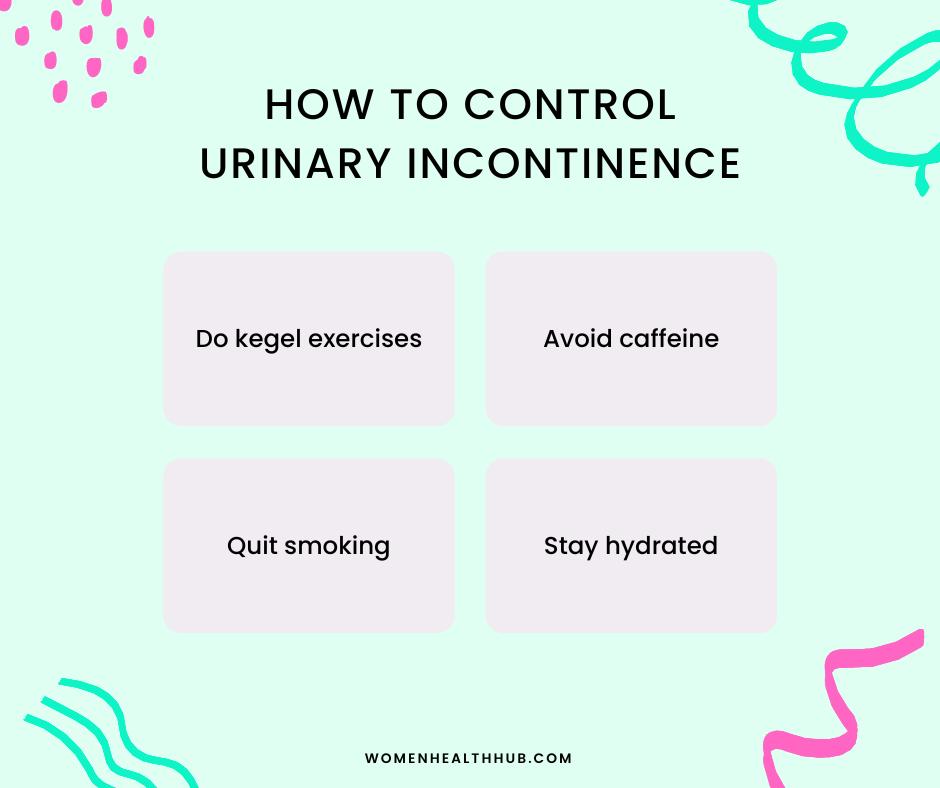
- Caffeine. High levels of caffeine can aggravate urinary incontinence in a number of ways.Large quantities of liquid. Consuming an enough quantity of liquid is vital for your health.Spicy or acidic foods.Alcohol.Carbonated beverages. leaking urine during daily activities, such as lifting, flexing, coughing, or exercising.being incapable to hold in pee after really feeling an unexpected,
- Hormone changes from menopause also add to collagen weakening and decline.
- This problem is caused by the weakening of the pelvic flooring muscular tissues-- the muscular tissues that sustain your bladder and other pelvic organs.
- In many cases, incontinence may be a sign of a hidden health and wellness problem that requires to be attended to.
- Common reasons for over active bladder in women consist of nerve damage, urinary system infections, specific medications, and lifestyle-related elements.
- If you're treating an over active bladder, cutting down on these toxic irritants could help in reducing the urge to pee and enhance your quality of life.
Medications That Can Create Urinary System Incontinence
Incontinence can happen at any kind of age, yet it comes to be much more typical while pregnant, after giving birth, and as ladies go through menopause. Although it might feel like a normal part of aging, that does not suggest it should be overlooked or accepted without support. Urinary urinary incontinence is common, especially as females age or go through major life modifications like childbirth or menopause. It's absolutely nothing to be shamed around, and extra significantly, it's something we can treat. Mixed urinary incontinence entails signs of both anxiety incontinence and advise incontinence. There is no one-size-fits-all method to dealing with urinary incontinence. So can weak pelvic muscular tissues, which can be triggered by maternity and childbirth, in addition to chronic irregularity, coughing, long term sitting and maturing. Particular medications can contribute to the problem, as can high levels of caffeine and alcohol. Sometimes, an overactive bladder can be an indication of an underlying trouble, such as an urinary tract infection. Neuromuscular diseases, such as numerous sclerosis or Parkinson's condition, frequently have a result on bladder control.