When Should You Take Into Consideration Skin Lesion Elimination? Single Celebrity State Dermatology Clinic
Melanoma Diagnosis & Therapy In Indianapolis Laser And Skin Clinic Of Indiana If you believe you have cancer malignancy, or if you have actually located a questionable place, sore, or mole on your skin, it is essential to see a board-certified dermatologic cosmetic surgeon as soon as possible. If you don't have any type of suspicious moles, areas, or lesions, it's still recommended that you see a dermatologist every year while performing month-to-month, in the house skin checks. Early detection enables simpler, less intrusive treatment and much better end results. That's why dermatologists stress the significance of month-to-month self-exams and yearly expert skin checks. Book a skin cancer screening with your skin specialist right away. Your primary care medical professional likely is educated to execute a skin cancer check. However, if you go to high danger or have sun-damaged skin, see a dermatologist at our skin cancer cells testing center. Lots of individuals question the distinction between a test vs skin test, especially when they discover something new. If your problem is limited to one or two places, a spot check may be the ideal option. Skin doctors have specialized training and tools to detect refined adjustments and examine areas you can not see or get to efficiently. If your skin doctor recognizes a worrying sore, they may advise a biopsy, which includes eliminating a tiny cells sample for research laboratory analysis. This small procedure is typically executed in the office making use of local anesthetic. If you see anything new, altering, or uncommon, routine an expert skin check. If a mole or place suddenly starts itching, becomes tender, or bleeds without injury, do not ignore it Cancer cells is often described in phases that rank the extent of the cancer and assist your medical professional determine the most effective treatment plan for you.
Changing Moles And Skin Lesions: How To Understand When To See A Mohs Surgeon
Our team additionally consists of Sydney, a Dermatology Diplomate Fellow , standing for the highest level of physician assistant qualification in dermatology. The College of Vermont Health Network emphasizes that evolution-- the E in ABCDE-- is one of one of the most essential warning signs. The objective of skin lesion removal is to get rid of the lesion while preserving the look of the bordering skin. The results can differ depending on the approach used and the sore's attributes. Removal leaves very little to no noticeable scarring oftentimes, particularly with methods like cryotherapy and laser treatment.Check Vs Skin Exam: Which Do You Require?
Advanced dermatological training permits physicians to identify suspicious sores that might appear typical to clients during self-checks. However, people with threat factors such as reasonable skin, family history of skin cancer cells, various moles, or previous skin cancer may require screening every 3-6 months. Your skin specialist will suggest a suitable routine based upon your individual danger account. Deadly melanoma, specifically in the later phases, is severe and therapy is difficult. Early medical diagnosis and therapy can boost the survival rate.- The arrangement of info by physicians, doctor, etc is not a medical treatment.
- A yearly screening is among the easiest actions you can require to protect your health.
- Your dermatologist might advise a biopsy if they notice a suspicious place, mole, rash, or sore that is not responding to treatment.
- If it is malignant, our team of professionals will certainly after that establish what type of skin cancer it is and what stage (how innovative) it is to pick a program of treatment.
A Simple Action Toward Lasting Skin Wellness
Nonetheless, it is most likely to establish in the regions a lot more typically revealed to the sun, such as the face, head, neck, arms, or legs. A mole that does not have the same shade throughout or that has shades of tan, brownish, black, blue, white, or red is dubious. A mole of lots of shades or that has lightened or darkened ought to be checked by a medical professional. If the boundary or sides of the mole are ragged, obscured, or uneven, have it checked by a skin doctor. When skin specialists used a dermatoscope in the examinations, chances of those medical diagnoses being precise grew by 2.5-fold with keratinocytic carcinomas and 5.7-fold with cancer malignancies. While regular monthly self-examinations are important and suggested, they can not change specialist screening.What skin sores are mistaken for cancer?
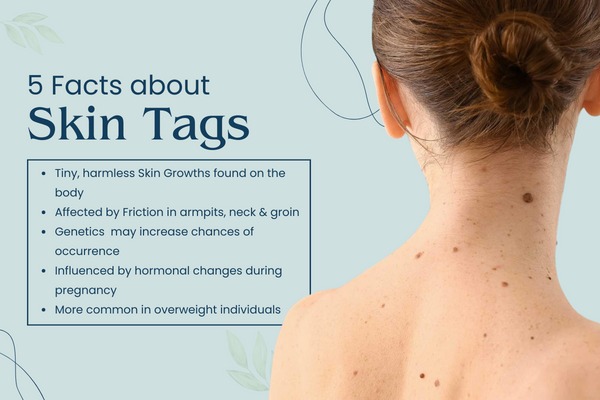
The 3 most usual kinds of skin cancer are basal cell carcinoma, squamous cell carcinoma, and cancer malignancy. Numerous skin conditions might be conveniently misinterpreted for cancer cells, consisting of pimples, age spots, moles, skin tags, excrescences, blemishes, eczema, psoriasis, and cherry angiomas.